Aperture in Photography Explained Simply
Aperture is more than just a light control – it decides whether your background blurs away or stays razor sharp. Here’s how to use it deliberately.
01What Is Aperture and What Does It Do?
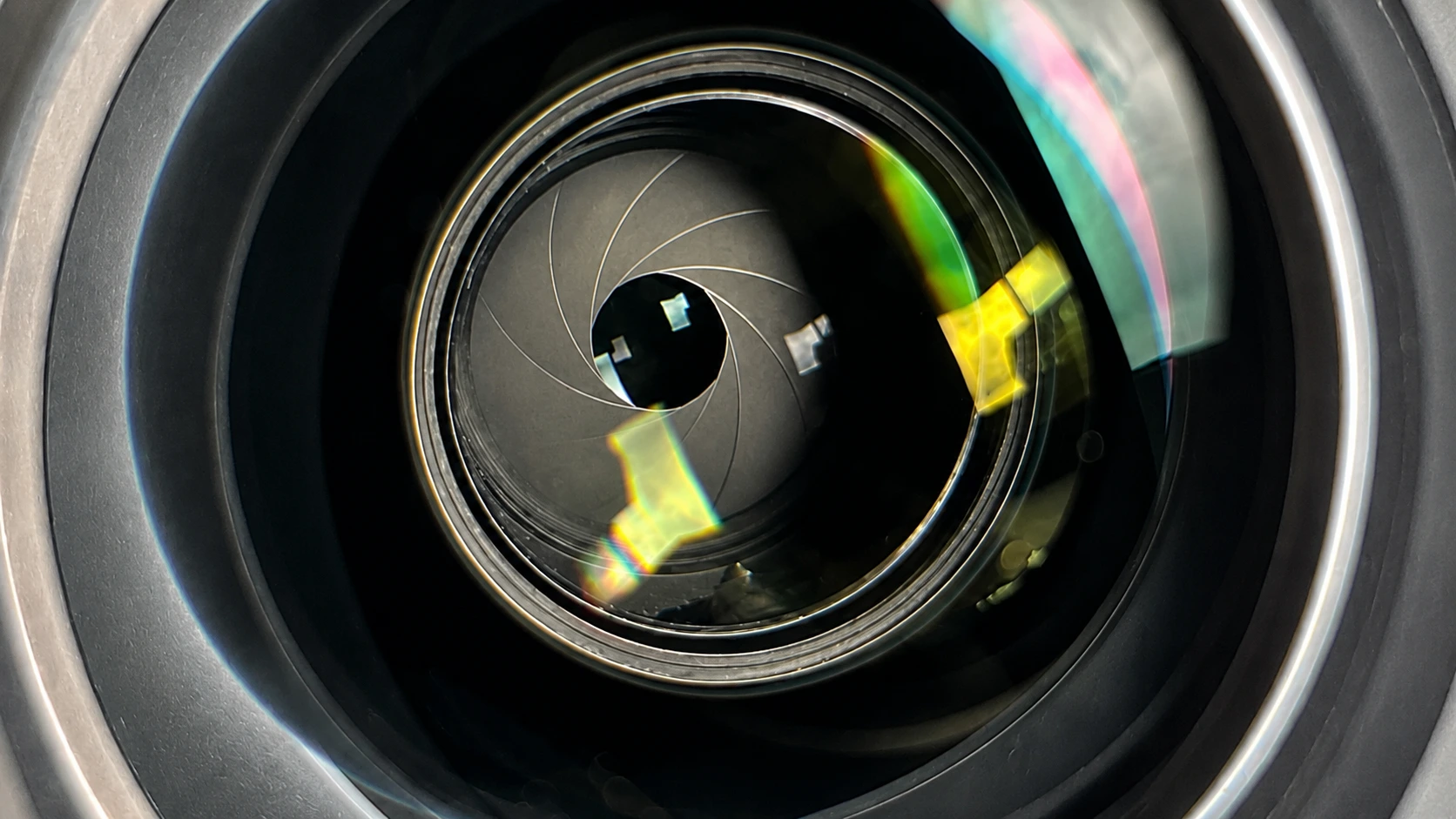
Aperture is an adjustable opening inside the lens. Light passes through it into the camera and hits the sensor. Depending on the setting, aperture lets more or less light reach the sensor. The f-stop, or f-number, describes how wide the aperture is open. The lower the f-number (say, f/1.8), the wider the opening and the more light reaches the sensor. The higher the f-number (say, f/16), the narrower the opening – and correspondingly less light gets in.
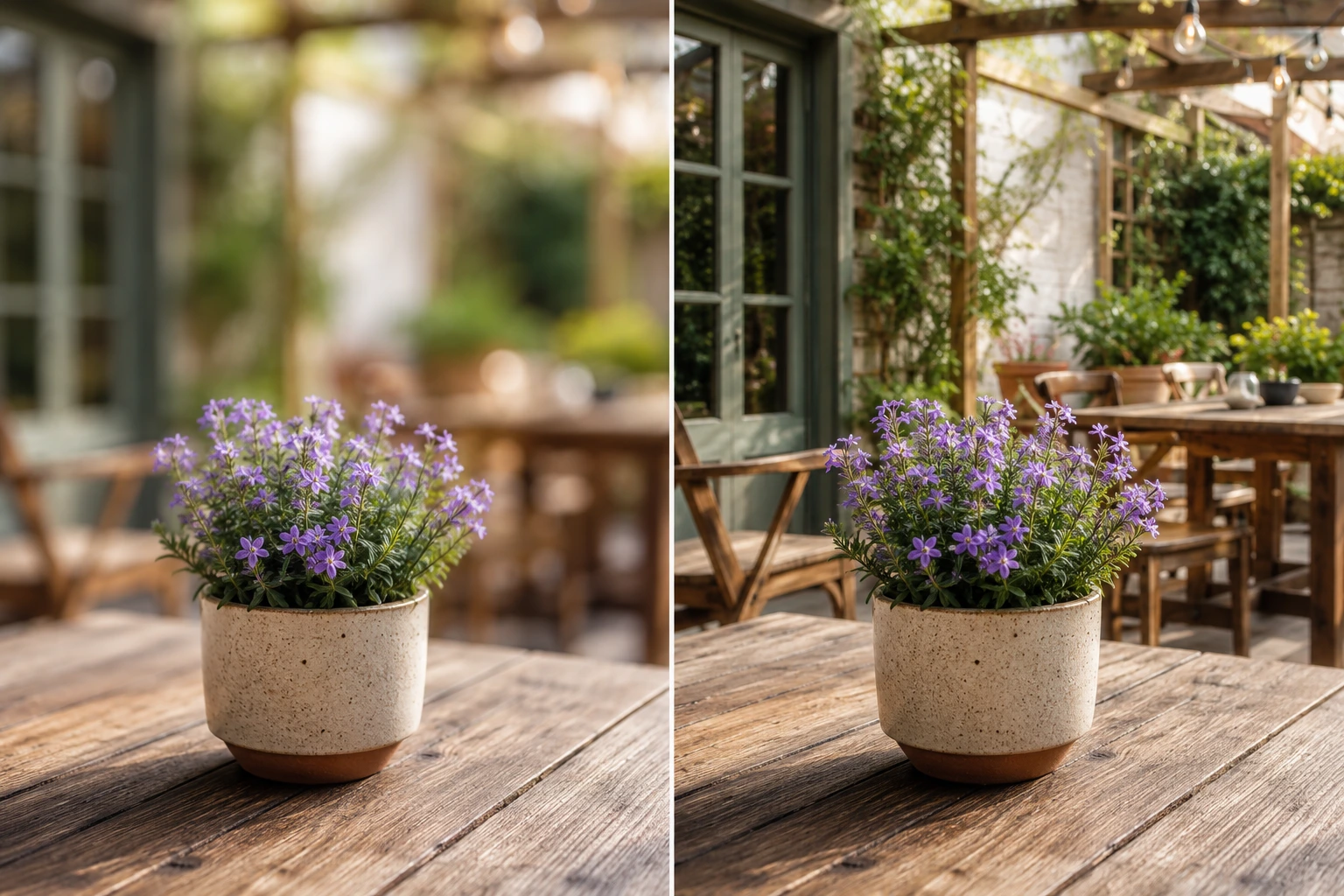
But aperture doesn’t just control exposure. It also affects depth of field – the area of the image that appears sharp. A wide-open aperture creates shallow depth of field, producing a blurred background. A narrower aperture creates more depth of field, so your image looks sharp from front to back.
02Aperture and Exposure — What You Should Know
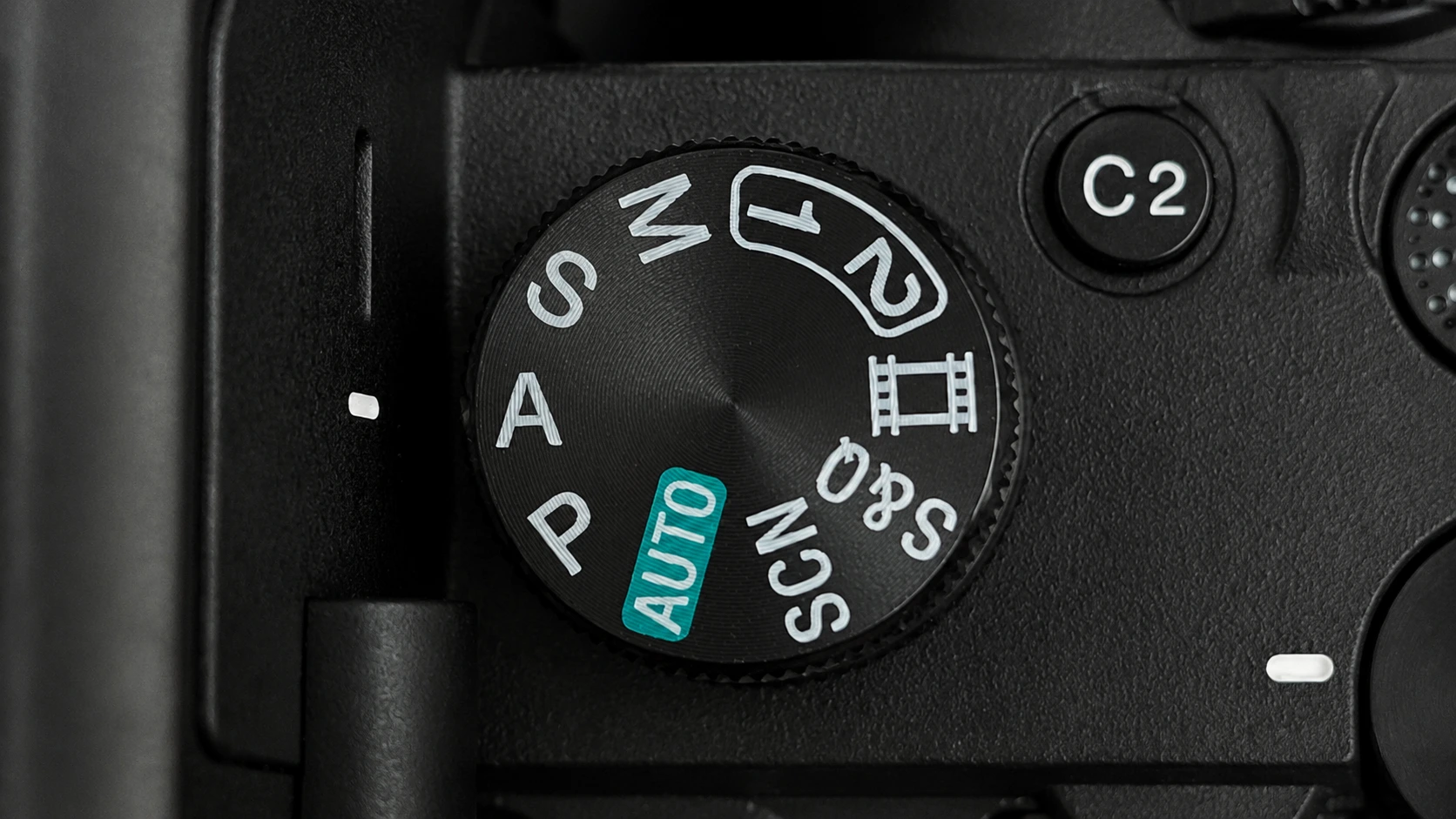
Aperture is closely tied to shutter speed. If you close the aperture and let in less light, you’ll need to compensate with a longer shutter speed or a higher ISO. If you open the aperture, you let more light reach the sensor, which allows for shorter shutter speeds. Adjusting aperture directly affects how bright your image turns out – the camera automatically sets the matching values for you if you shoot in aperture priority mode (Av/A).
If you want to better understand how aperture, shutter speed, and ISO relate to each other, check out my article on the exposure triangle.
03How Aperture Affects Depth of Field
Depth of field refers to the area of an image that appears sharp. The wider the aperture opening, the smaller that area gets – meaning less depth of field. The background turns soft and your subject stands out clearly. This is especially useful for portraits or still life, where it helps guide the viewer’s eye deliberately.
If you want an image that’s sharp from front to back instead – a landscape, for example – you need more depth of field. To get that, you’ll need to close the aperture further. That’s exactly why choosing the right aperture matters so much for the overall look of your image.
04Choosing Aperture in Practice
If you’re shooting with a prime lens like a 50mm, you can usually work with very wide apertures, like f/1.8. That gets you bright images in low light – along with that classic blurred background that makes a subject really stand out.
For landscapes, you’ll work with a narrower aperture – around f/11 or f/16. That gives you a large depth of field and plenty of detail throughout the image. But even here, the right aperture really depends on the subject, the light, and the result you’re after.

05Setting Aperture — Automatic or Manual
Many cameras offer aperture priority mode, where you choose the aperture and the camera handles the rest of the settings. If you want full manual control, you can set aperture yourself. One thing worth knowing: a lens’s aperture range varies from lens to lens. Some lenses only go down to f/4, others offer f/1.4 or f/2.8. Check the spec sheet or the markings on your lens to find out.
06Conclusion: Aperture Shapes What Your Image Says
Aperture shapes light, sharpness, mood, and depth in your photos. Whether you’re shooting in low light or deliberately blurring the background, the right aperture makes all the difference. Once you know how it works, you can shape your images deliberately – regardless of which lens you’re using or what lighting conditions you’re working in.
The better you understand how aperture, exposure, and depth of field relate to each other, the more confident you’ll become with your camera – whether you’re shooting landscapes, portraits, or creative experiments.
Common Questions About Aperture
What does a small aperture value like f/1.8 mean?
A small f-number like f/1.8 means a wide-open aperture. That lets a lot of light reach the sensor and gives you shallow depth of field with a blurred background.
Which aperture is best for portraits?
Wide apertures like f/1.8 to f/2.8 work well for portraits, since the background blurs and the subject stands out clearly.
Which aperture is best for landscape photography?
Narrow apertures like f/11 or f/16 work well for landscapes, since they create a large depth of field and keep the image sharp from front to back.
What’s the difference between aperture and f-stop?
Aperture is the physical opening in the lens that light passes through. The f-stop, or f-number, describes how wide that opening is set. A low f-number means a wide opening, a high f-number means a narrow opening.