Focus and Depth of Field Explained
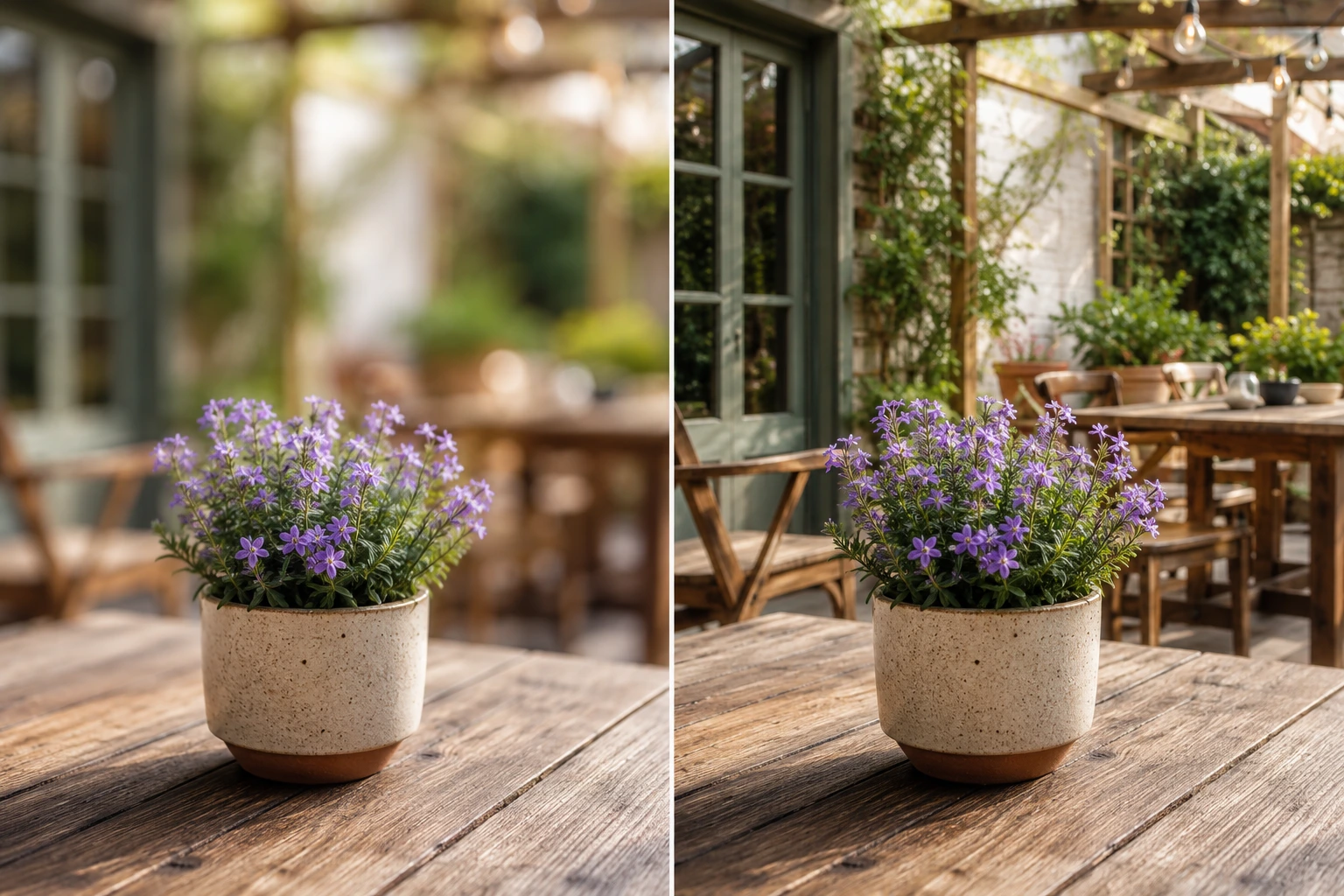
Great light, perfect subject — and the photo still looks flat? Focus and depth of field decide what’s sharp and what fades into blur.
01When Sharpness Suddenly Disappears
Everyone’s been there: you’re set up for a great shot — the light is right, the subject is perfect — and the image still comes out looking soft or somehow flat. The focus isn’t quite where it should be, the background pulls attention away, and your main subject just doesn’t stand out. That’s exactly what we’re unpacking in this piece.
This is where focus and depth of field come in. Together, they decide which part of the image looks sharp — and how large that sharp area actually is. They determine whether your photo has depth, guides the viewer’s eye, or reads as evenly detailed throughout.
Depth of field is one of the most rewarding things to master in photography, because it lets you shape mood on purpose. And the best part: you don’t need expensive gear — just an understanding of aperture, focal length, and distance to your subject.
02What Focus Actually Means in Photography
It’s actually pretty simple: focus determines which point in the image is rendered sharp. Everything outside that zone automatically loses sharpness. Modern cameras handle this with autofocus, instantly calculating the right distance to your subject. But you can also focus manually, which is especially useful for still scenes, macro photography, or landscapes.
Where you place your focus has a huge impact on how your image reads. In a portrait, the viewer’s eye should land immediately on the eyes — they need to be crisp and sharp. If focus lands too far in front or behind, the face reads as soft and loses its expression.
Pay attention to your camera’s focus point while shooting — it shows you exactly which part of the frame is currently sharp. That awareness gives you, step by step, more control over sharpness and how your image ultimately reads.
03What Depth of Field Is — and What It Depends On
Depth of field describes the zone in your image that reads as sharp from front to back. Anything before or beyond that zone gets progressively blurrier. How large that zone is comes down to three factors. Let’s break each one down:
A wide-open aperture (say, f/1.8) produces a shallow depth of field — the background dissolves into soft blur. A narrow aperture (say, f/11 or f/16) gives you more depth of field, so the image is sharp from foreground to background. If you want to understand exactly how aperture works and how it shapes light and composition, check out our guide to aperture in photography.
A telephoto lens (say, 85mm) produces less depth of field at the same aperture than a wide-angle lens does. The background looks more compressed and more blurred — ideal when you want your subject to really stand out. Remember: the longer the focal length, the shallower the depth of field — the background reads softer and more blurred.
The closer you get to your subject, the shallower your depth of field becomes. Step back, and it increases. This gives you direct control over how strongly your subject separates from the background, or how much of the whole scene reads as sharp.

04How Focus and Depth of Field Work Together
Focus and depth of field are inseparable from each other. The focus point determines where your image is sharp, and depth of field determines how large the sharp zone is around that point.
In portrait photography, you’ll often shoot with a wide-open aperture — the face is sharp, the background dissolves into soft blur. That shallow depth of field is what creates the popular bokeh effect: the soft blur that makes your subject stand out.
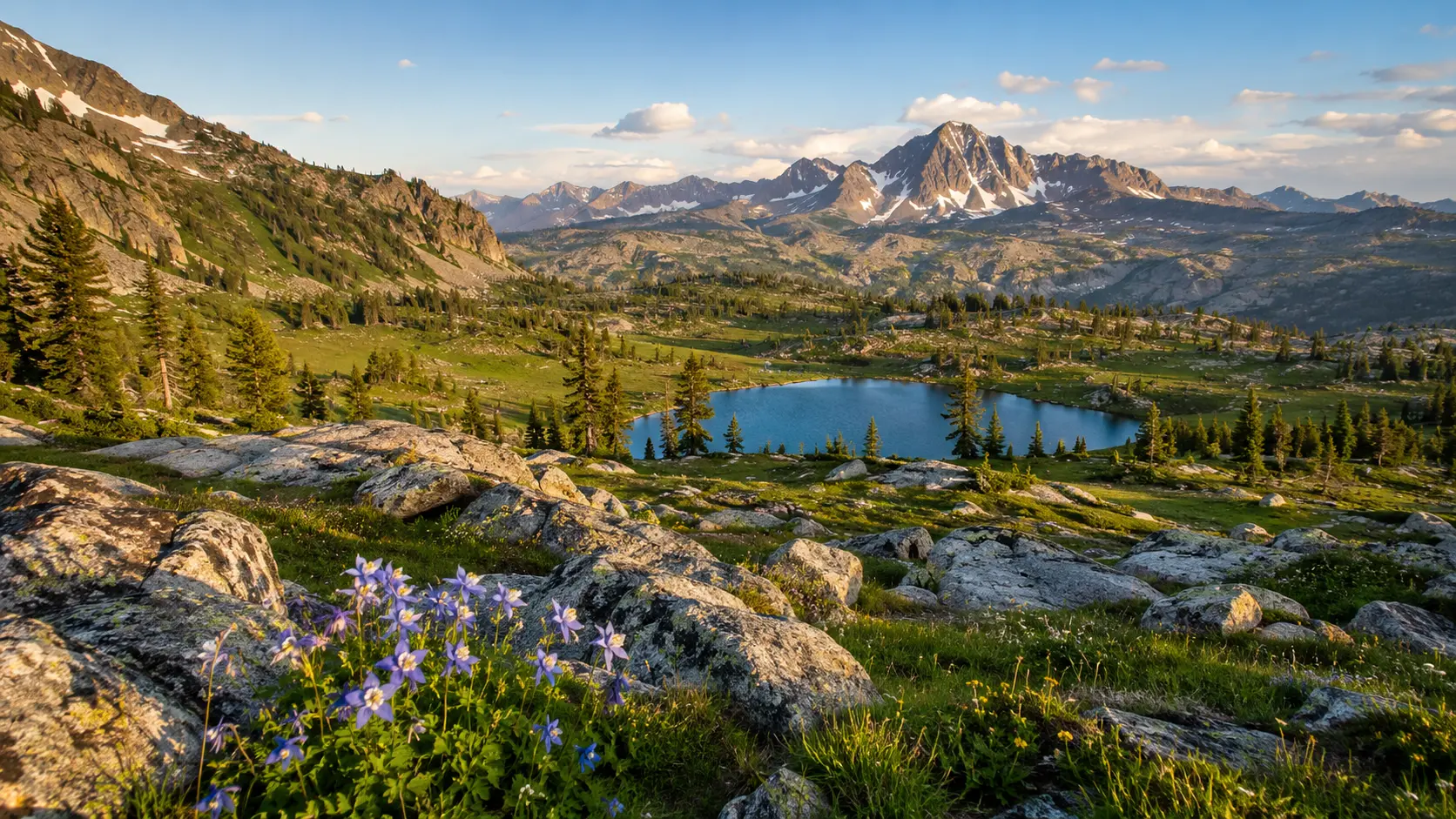
In landscape photography, you usually want the foreground and background to both read as sharp — meaning you want a large depth of field.
So with every shot, you’re deciding where the viewer’s attention should land: on one specific detail, or across the entire scene.
05Hyperfocal Distance
When you’re shooting landscapes, you often want both the foreground and background to appear sharp. That’s where hyperfocal distance comes in. It’s the focus distance that gives you the maximum possible depth of field.
That sounds more complicated than it is — in practice, it just means: instead of focusing on the closest object, focus on a point a bit further out, and everything in front of and behind that point comes out evenly sharp.
06Practical Tips for Sharper Photos
If you’re working with a narrow aperture and a longer shutter speed, a tripod helps you avoid camera shake and soft results.
For portraits, always focus on the eyes; for landscapes, focus roughly a third of the way into the scene.
Open it wide for portraits (say, f/2.8), close it down for landscapes (say, f/11).
For still subjects especially, manual focus lets you place your plane of focus with real precision.
07Takeaway: Using Depth of Field on Purpose
Focus and depth of field are tools you can use to actively shape how your photos feel. Once you understand how aperture, distance, and focal length work together, you get full control over what reads as sharp in your image — and what deliberately fades into blur.
Get out there and experiment — and watch how your eye for sharpness and blur keeps sharpening with every shot you take.
If you want to go deeper into how aperture, ISO, and shutter speed work together, check out our guide to the exposure triangle.
Frequently Asked Questions About Focus and Depth of Field
What’s the difference between focus and depth of field?
Focus determines which point in the image appears sharp. Depth of field describes how large the sharp zone around that point is — anywhere from a completely blurred background to an image that’s sharp from front to back.
Which aperture creates bokeh?
A wide-open aperture like f/1.8 or f/2.8 produces a shallow depth of field, which creates that popular bokeh effect — a soft, blurred background that makes your subject stand out.
What is hyperfocal distance?
Hyperfocal distance is the focus point that gives you the greatest possible depth of field. Focus on that point instead of the nearest object, and both the foreground and background come out evenly sharp.
How does focal length affect depth of field?
The longer the focal length, the shallower the depth of field at the same aperture. A telephoto lens like 85mm produces a more blurred background than a wide-angle lens.