
Phone Photography
Why Vacation Photos Often Look Boring – Even When the Trip Was Fantastic
You’re standing by the sea. The air is warm, the waves are rolling in, the light is fantastic. You pull out your phone, take a photo – and on the screen, everything suddenly looks pretty ordinary. Why?
Back home, it happens again. You show your pictures and hear yourself say: “It was so much more beautiful in real life.”
And you didn’t imagine that moment. It was beautiful. Your photo just took a smaller part of it with it than you thought.
That can change. Even on your next walk.
Your phone was there. So were your senses.
When you think back on a vacation moment, you rarely remember only what you saw.
The beach comes with the wind and the sound of the waves. The little alley comes with the smell from the bakery. The viewpoint comes, perhaps, with the exhausting climb and the feeling of finally being at the top.
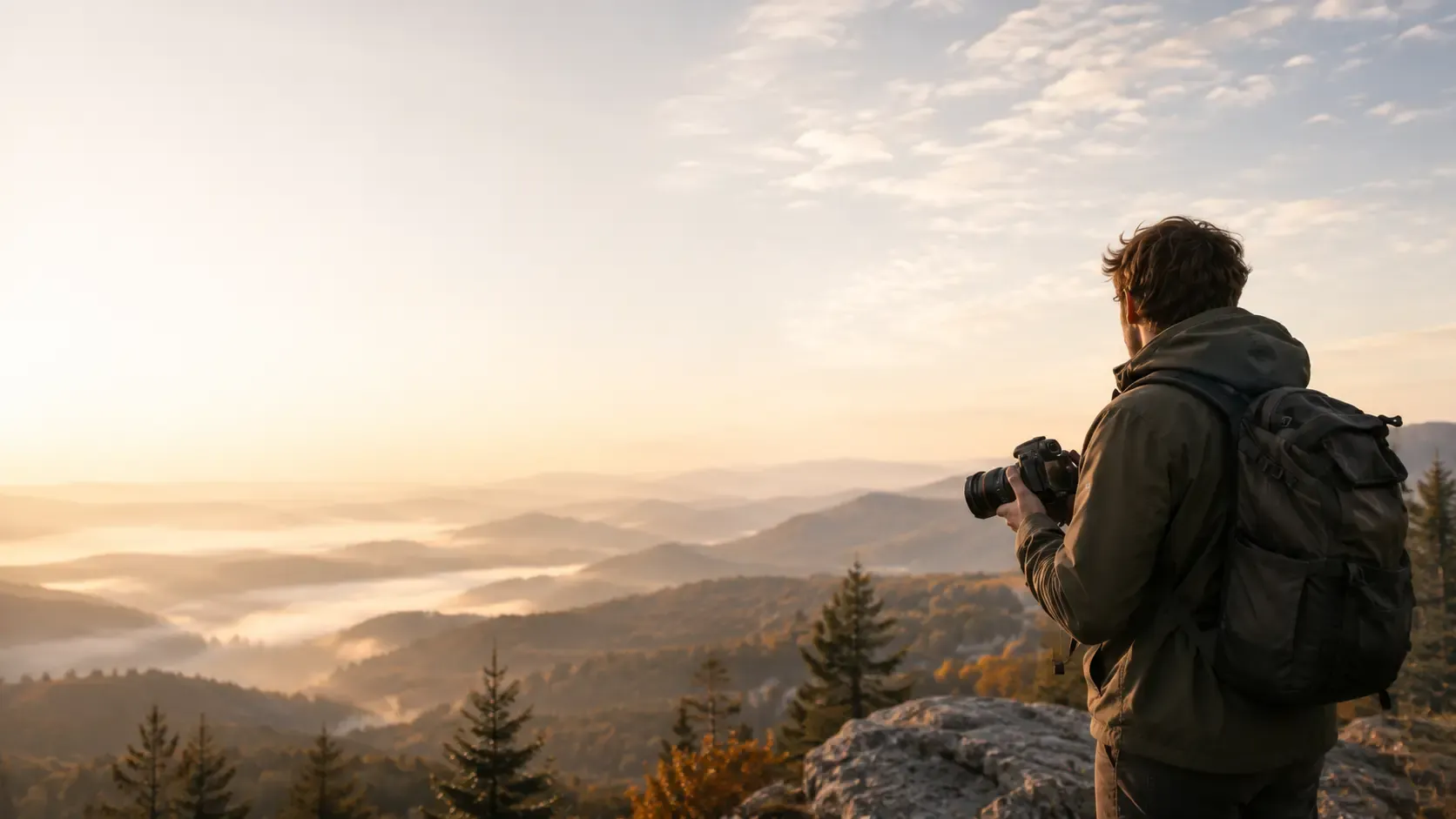
What’s left in the photo is a rectangle.
Whoever looks at the picture later didn’t make the climb and can’t smell fresh bread. The photo has to convey on its own what makes this place special.
That’s why the most helpful question before you press the shutter is: What exactly is exciting me right now?
Is it the vastness? The light on a house wall? The tiny person in front of the huge mountain? Once you can name it, it’s easier to find a picture for exactly that.
01You want to show everything – and end up showing nothing properly
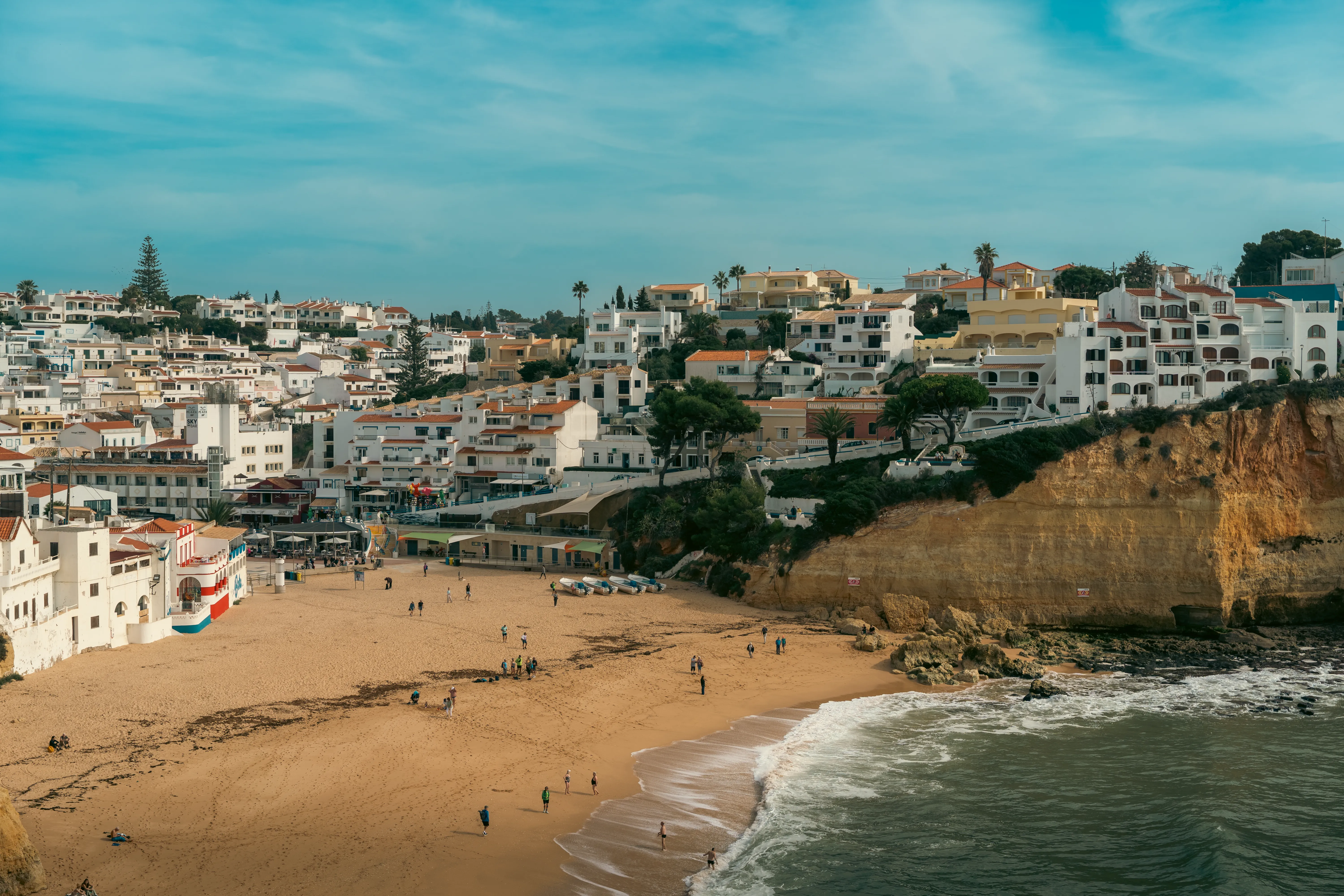
A beautiful bay lies in front of you. So you want as much as possible in the photo: the beach, the water, the boats, the houses and, of course, the sky.
The result is complete. But your eye finds nothing to hold on to.
When you look at a place, you can keep shifting your attention. First you look at a boat, then at the houses, then at the horizon. In a photo, everything lands next to each other at once.
Give the picture a center.
Maybe it’s a single beach umbrella by the water. Maybe a person just running into the sea. The bay stays visible, but now there’s something the eye can settle on.
Try it right away: photograph the view the way you usually do. Then look for a detail that speaks to you and build a second picture around it. Move closer or change your position.
Then compare: in which photo do you see faster what it’s about?
02You always photograph the place from the same height
Hold up the phone, shoot, move on.
That’s how many vacation pictures are made: standing up, at eye level, from exactly the spot where everyone stops for a moment anyway.
Yet even a small change of position can change the picture significantly.
Crouch down on the beach. Suddenly the tracks in the sand become visible. Hold the camera a little lower in an alley and watch how the pavement leads into the picture. Take one step to the side until the trash can disappears behind your subject.
You don’t need a spectacular contortion for this. Often half a minute is enough, in which you choose your position on purpose.
Pay attention to the edges of the frame, too. A cut-off arm or half a traffic sign may hardly register while you’re shooting – but later, all the more.
03The landscape is vast. Your photo looks flat.
You’re looking out over an impressive coastline. In the picture, three stripes remain: sand, water, sky.
What felt huge on location looks surprisingly unspectacular on the display.
One way to make spatial depth visible is a deliberately chosen foreground. Rocks, grasses or a wall can show what is near and what is far away. A path leading into the landscape helps the eye, too.

A person can also make a difference: in front of a rock face, they are what shows how big the face really is.
But don’t put just anything in front of the camera. A distracting bush stays a distracting bush.
Look for something that belongs to the scene and makes it easier to understand.
04You photograph the landmark – and overlook the light
A beautiful place doesn’t look the same at every time of day.
At noon, an alley can look bright and restless. Later, perhaps only a narrow strip of light falls between the houses. A façade gains structure as soon as the light sweeps across it from the side.
That’s why it pays to look at the direction of the light as well as the subject.
Where do shadows form? Which surface glows? What changes when you turn around?
At sunset in particular, almost everyone looks in the same direction. Understandable. But take a look behind you, too: maybe the warm light is coloring the houses there, lighting a face or catching a cloud.
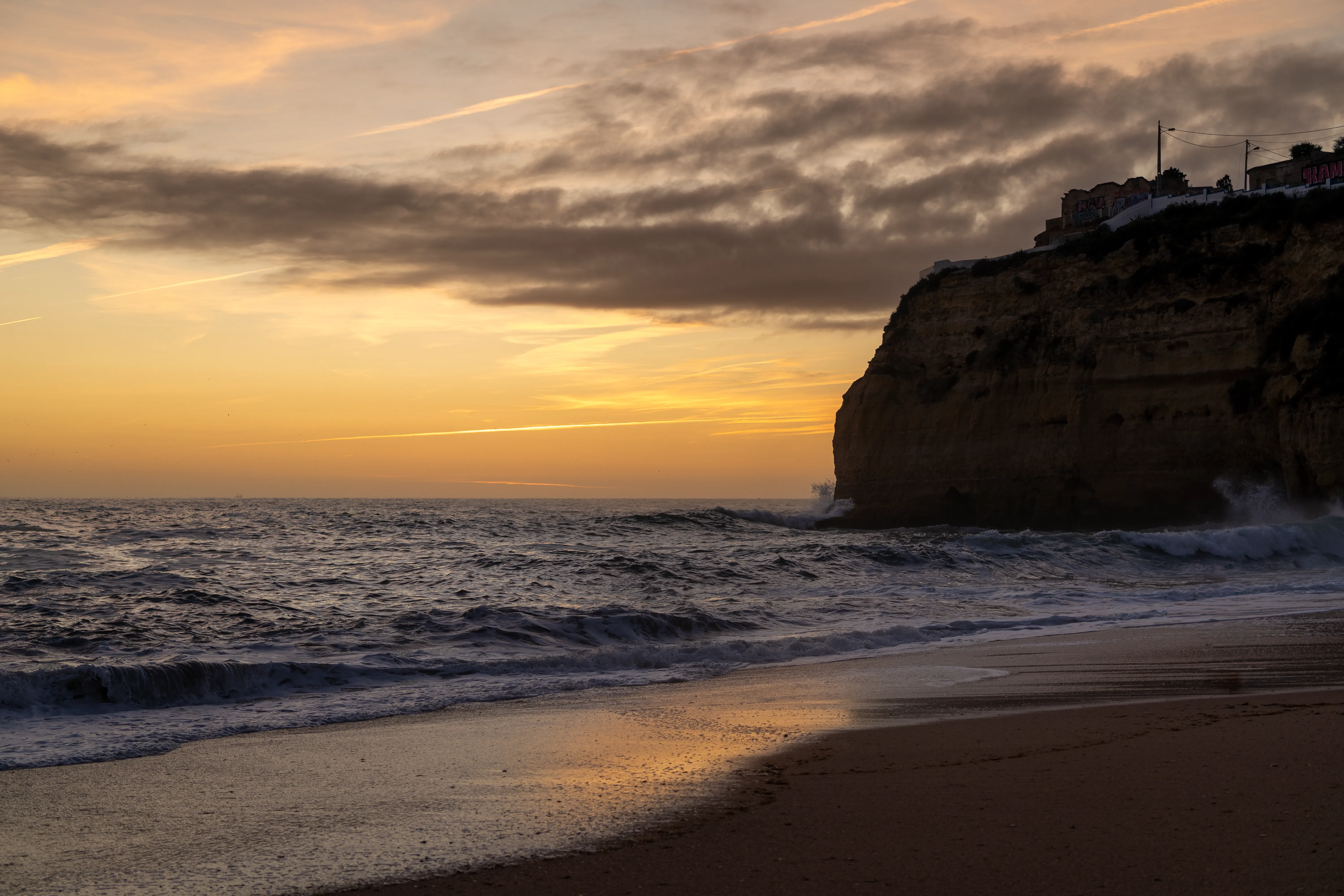
The sunset can provide the light for your subject without being the subject itself.
And what if you only have time at noon? Look in the shade, for clear shapes or for a detail. You don’t have to plan your vacation around the position of the sun.
05You press the shutter before anything happens
The square is pretty. So is the façade. So you take your photo.
Then you walk on – and a second later someone rides through the frame on a red bicycle.
Some scenes need that small moment: a movement, an encounter or a glance. Something that turns a view into a story.
When you like a frame, stay put for a moment. Watch what happens in it. Maybe someone walks up the stairs. Maybe a wave rolls around the rock. Maybe the wind lifts a beach towel.
You don’t have to photograph strangers from up close for this. Shadows, water or animals can also bring movement and life into the picture.
Sometimes nothing happens at all. Then you simply move on. But you gave the subject a chance.
A small assignment for your next vacation
Pick a place and take three deliberately different photos there:
- The overview: Where are you?
- The detail: What catches your eye there?
- The moment: What is happening right now?
A small harbor, for example: first the bay, then the worn ropes on the quay, finally a boat that is just docking.
Together, these pictures often tell more than ten similar shots of the same view.
And before you put your phone away, ask yourself briefly: What should someone who wasn’t there discover in this photo?
The answer is often already the beginning of a better picture.